
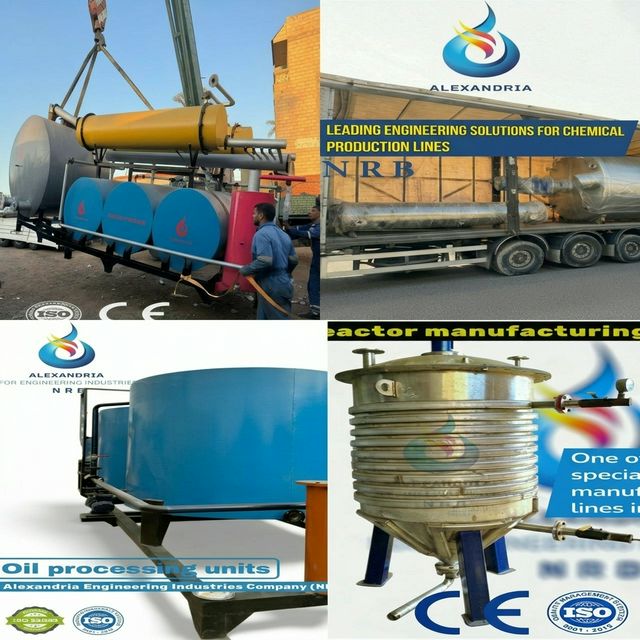
Chemical Processing Plant
Design and construction of flexible chemical factories for producing industrial paints, solvents, detergents, resins, water treatment chemicals, oil additives, and industrial emulsions.
Project Concept
Designing and building chemical factories to produce: industrial paints, solvents, detergents, resins, water treatment chemicals, oil additives, and industrial emulsions.
Project Overview
Engineering Drawings & Blueprints
Chemical plants are the backbone of industrial supply chains. This flexible model produces paints, cleaners, resins, and water treatment chemicals — replacing imports across multiple sectors simultaneously.
Main Components
Key equipment and units that make up the production line
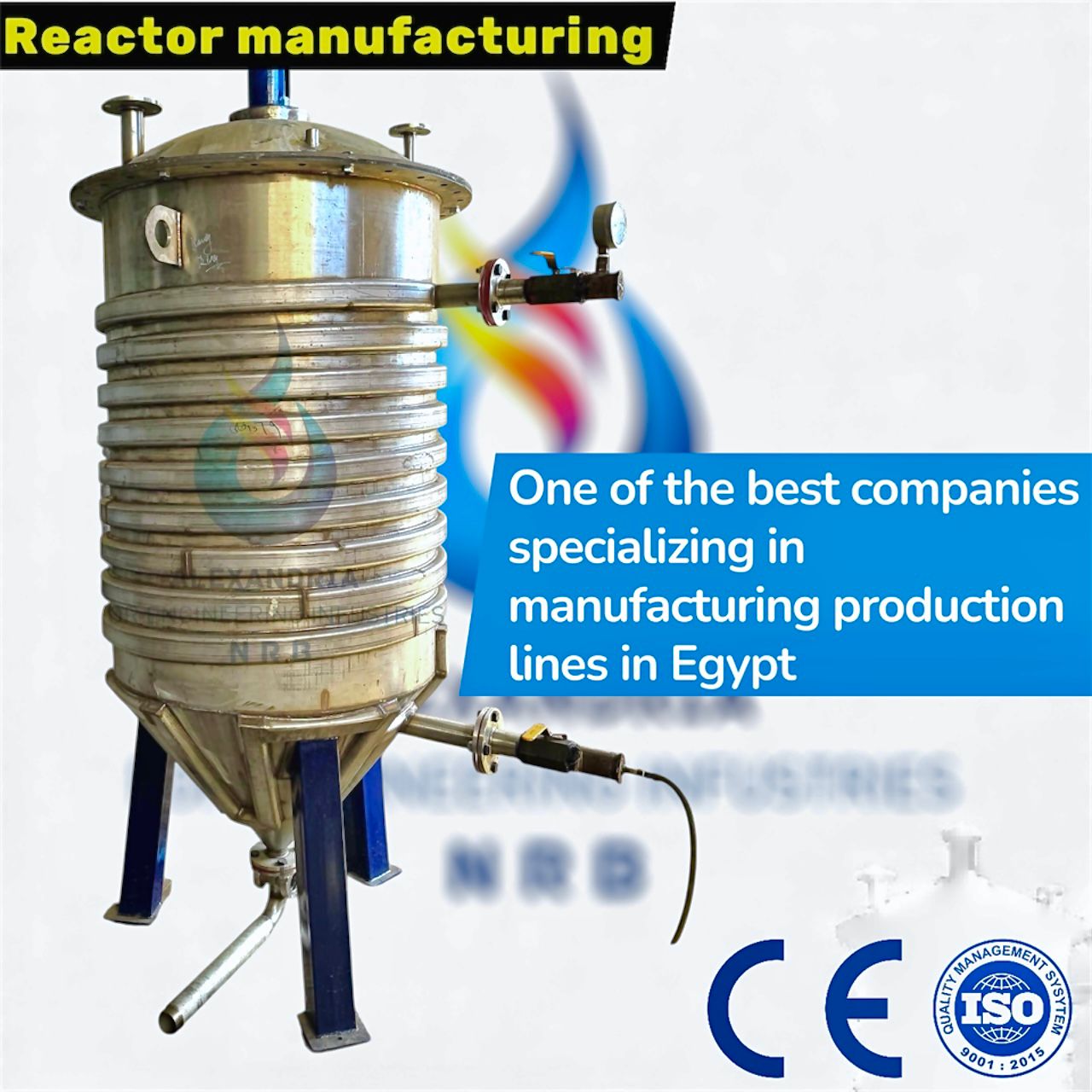
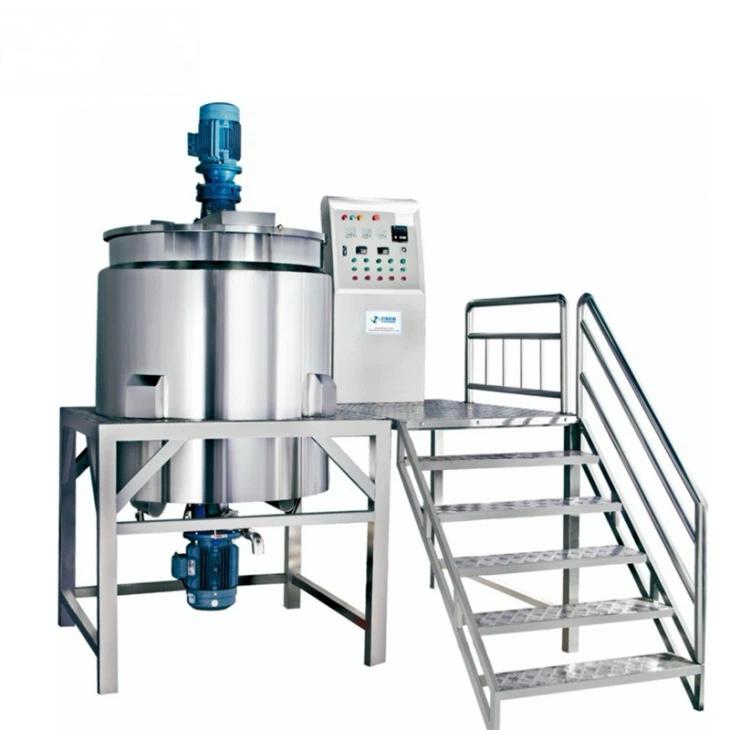
Industrial Reactors (Jacketed / Coil)
- Jacketed reactor – steam or thermal oil heating
- Reactor with internal coil
- Normal pressure or low-pressure reactor
- Stainless 304/316 for reactive materials
- Operating: 40–250 °C, up to 6 bar
- Capacities: 1, 5, 10, 25, 50 ton/batch
High-Speed Mixers / Dissolvers
- Speed: 0–1,500 RPM
- Motor: 7.5–75 HP
- Disperser disc blades
- Mixing time: 30–90 minutes
Dissolvers
- Polymer dissolution
- Water-based paint manufacturing
- Detergent production
- Hydraulic lifting system
- Inverter speed control
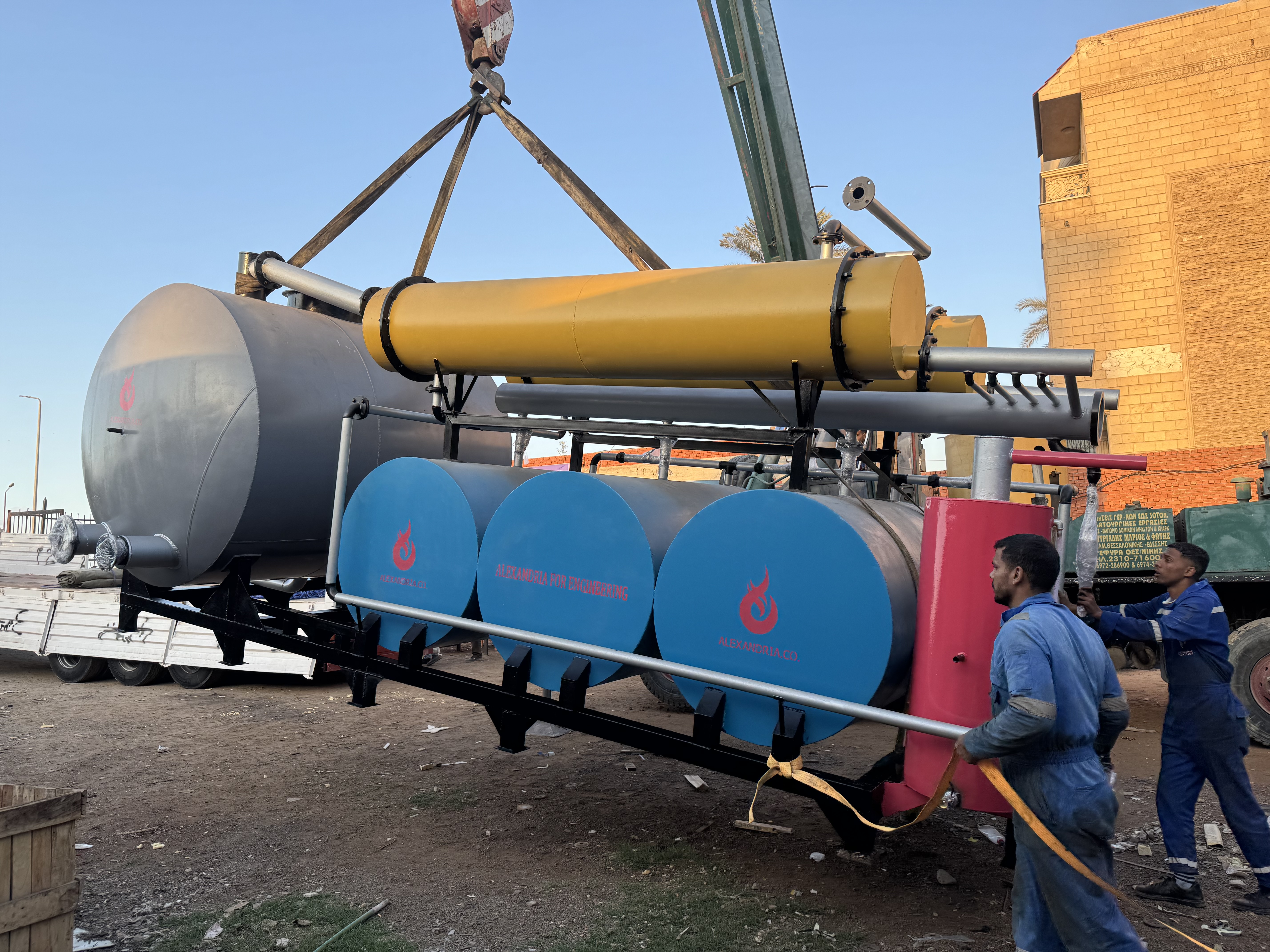
Storage Tanks
- Carbon steel or stainless steel
- Horizontal or vertical
- Level indicator + temperature gauge
- Capacity: 5–500 m³
Industrial Filtration Systems
- Bag filter
- Cartridge filter
- Plate & Frame pressure filter
- Carbon filter
- Filtration accuracy: 1–100 micron
Filling & Packaging Units
- Semi-automatic filling
- Fully automatic filling
- 1–20 litre jerrycan filling
- 200 litre drum filling
- 1,000 litre IBC filling
- Filling accuracy: ±0.5%
Operating Cycle
Cycle duration: 3–6 hours per batch
- 1Load raw materials per formula (water, resin, pigment, extenders)
- 2Mix and disperse in high-speed mixer
- 3React in jacketed reactor if required
- 4Filter through appropriate filtration stage
- 5Quality control check
- 6Fill and package finished product
Mixing Ratios
Input / Output Ratios
Approximate production yields at different capacities
| Capacity | Raw Input | Finished product | Operating loss |
|---|---|---|---|
| 1 ton | Per formula | 98% | 2% |
| 10 tons | Per formula | 2–3 batches | |
| 50 tons | Per formula | Semi-continuous | |
| 100 tons | Per formula | Continuous 24-hr system |
Energy Consumption
Approximate requirements per production capacity
Project Advantages
High product diversity
Excellent profit margin
Operational flexibility
Easily expandable
Constant market demand
Technical & Engineering Study Data – All Capacities
| Project | Capacity (ton/day) | Area (m²) | Power (kW) | Water (m³/day) | Operating System | Engineering Notes |
|---|---|---|---|---|---|---|
| Chemical Processing Plant | 1 | 50 | 12 | 2 | Batch | Reactors, mixers, dissolvers, storage tanks, filters, filling |
| 10 | 150 | 50 | 15 | Semi-continuous | Longer conveyor lines, larger tanks | |
| 50 | 700 | 200 | 70 | Continuous | Integrated plant, full PLC control system | |
| 100 | 1200 | 400 | 120 | Continuous | Continuous operation, full thermal control units |
Images
.jpeg)
.jpeg)
.jpeg)
.jpeg)
.jpeg)
.jpeg)
Turn Your Idea Into a Full Production Line
Our engineering team will respond within 24 hours with a customised proposal — from concept to turnkey delivery.