
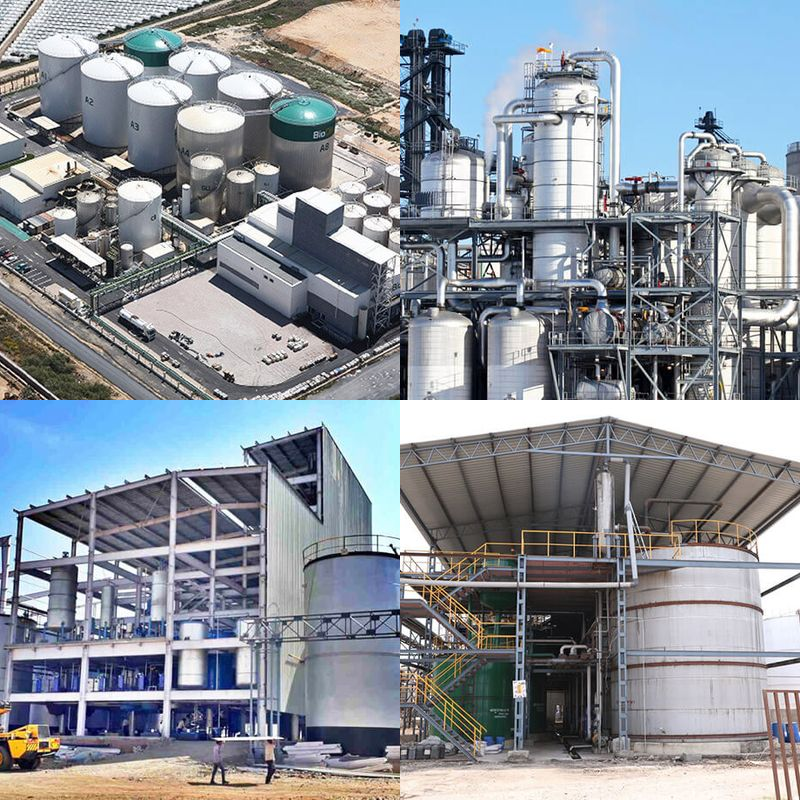
Edible Oil Recycling Plant
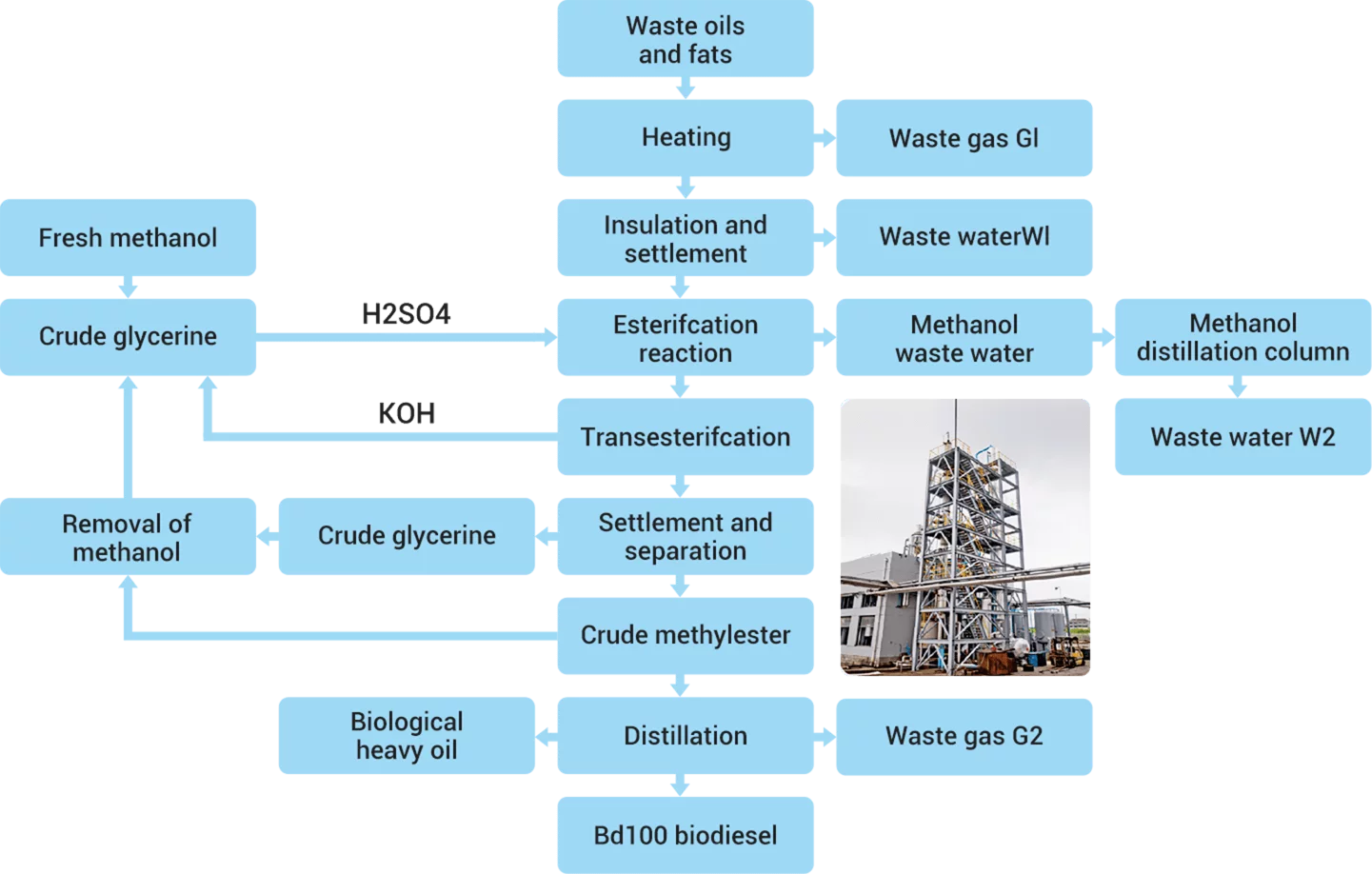
A complete plant for recycling used vegetable oils and converting them into refined cooking-grade oils or industrial-grade product (such as biodiesel), equipped with neutralisation, bleaching, and deodorisation units.
Project Concept
An integrated factory to recycle used vegetable oils and convert them into oils suitable for cooking or industrial use (e.g. biodiesel production).
Project Overview
Used cooking oil is one of the most common environmental pollutants when improperly disposed of. This plant converts it into refined edible oil or biodiesel feedstock, creating a clean circular economy.
Main Components
Key equipment and units that make up the production line
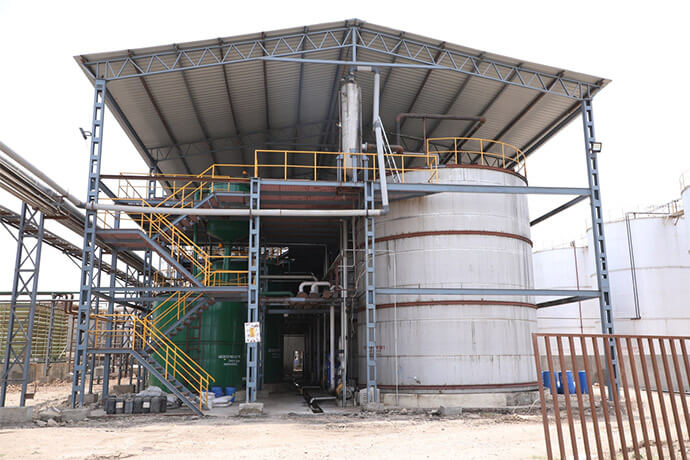
Used Oil Reception Tank
- Stainless or carbon steel tank
- Side heating system to raise temperature to 80–100 °C
- Level indicator + thermometer
- Capacity: 1–100 tons/day
Pre-filtration Unit – Large Impurity Removal
- Vibrating screen or Mesh Filter
- Removes food residues and large debris
Thermal Decomposition / Neutralisation Reactor
- Direct heating or steam
- Continuous agitation
- Caustic soda addition (0.5–1%) to remove free acids
- Temperature control: 60–90 °C
Bleaching Unit
- Bleaching clay addition (1–3%)
- Continuous mixing 30–60 minutes
- Pressure filter to remove clay
- Improves colour and purity
Deodorising Column
- Vacuum Deodorizer
- Operating temperature: 180–250 °C
- Removes free odours and volatile compounds
- Vacuum pumps maintain oil quality
Final Settling Tank (optional)
- Removes residual fine impurities
- Pure oil collected into storage tanks
Finished Product Tanks
- Tank for treated oil
- Tank for light filtered oils
- Tank for waste / soap stock / sludge
System Pumps
- Heat and chemical-resistant pumps
- Transfer oil between stages
- Internal reactor circulation
Operating Cycle
Cycle duration: Batch system: 6–12 hours per ton; Continuous system: runs per production capacity
- 1Receive used oil and heat to 80–100 °C
- 2Pre-filtration – remove large impurities
- 3Chemical neutralisation (Neutralization)
- 4Bleaching – colour removal
- 5Deodorisation – odour removal
- 6Final filtration and collection of refined oil
Added Materials / Additives
- Caustic Soda (0.5–1%)
- Clay / Bleaching Earth (1–3%)
- Antifoam (0.01%)
- Activated carbon (0.5–1%) – optional
Input / Output Ratios
Approximate production yields at different capacities
| Capacity | Raw Input | Refined Oil | Waste / Sludge |
|---|---|---|---|
| 1 ton | 1,000 kg used oil | 850–880 kg | 120–150 kg |
| 10 tons | 10 tons | 8.7–8.8 tons | 1.2–1.3 tons |
| 50 tons | 50 tons | 43–44 tons | 6–7 tons |
| 100 tons | 100 tons | 87–88 tons | 12–13 tons |
Energy Consumption
Approximate requirements per production capacity
Project Advantages
Fast investment return
Constant local and industrial market demand
Expandable capacity
Produces food-grade or industrial-grade refined oil
Technical & Engineering Study Data – All Capacities
| Project | Capacity (ton/day) | Area (m²) | Power (kW) | Water (m³/day) | Operating System | Engineering Notes |
|---|---|---|---|---|---|---|
| Edible Oil Recycling Plant | 1 | 40 | 8 | 1.5 | Batch | Raw tank, purification unit, deodorization, final tanks |
| 10 | 120 | 35 | 12 | Semi-continuous | Extra reactors, thermal control unit, longer conveyors | |
| 50 | 600 | 140 | 60 | Continuous | Integrated plant with 3x10 ton raw tanks, filtration and condenser system | |
| 100 | 1000 | 280 | 110 | Continuous | High efficiency continuous operation, PLC control, dual purification unit |
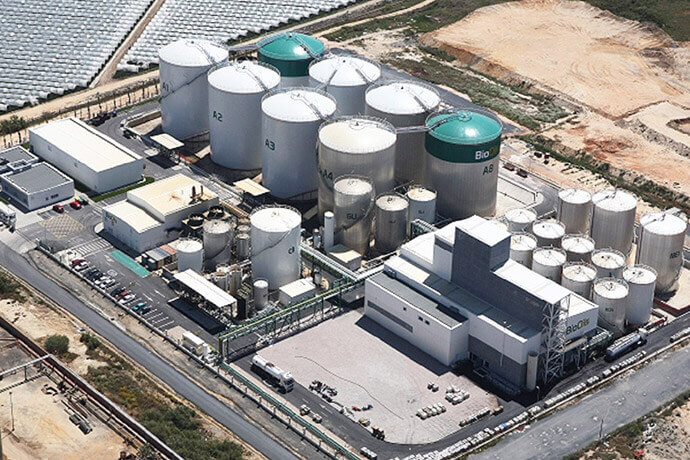
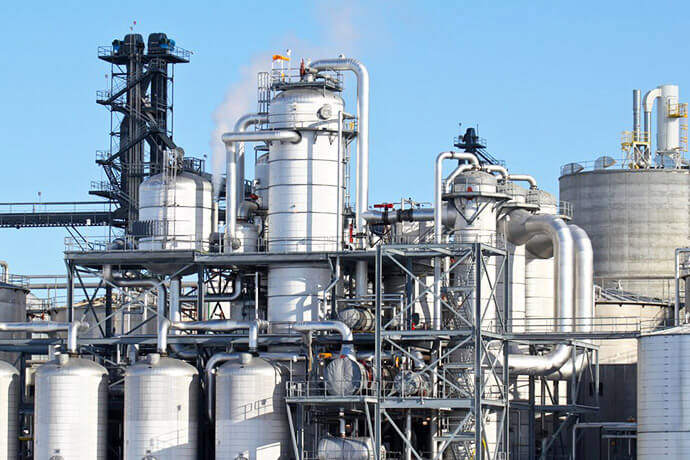
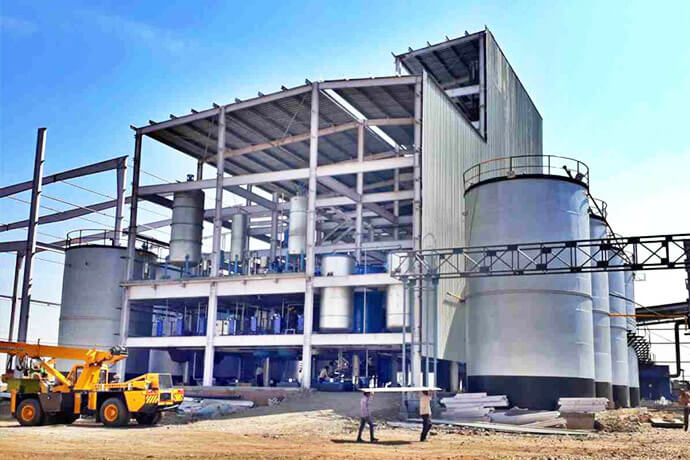
Images
Turn Your Idea Into a Full Production Line
Our engineering team will respond within 24 hours with a customised proposal — from concept to turnkey delivery.